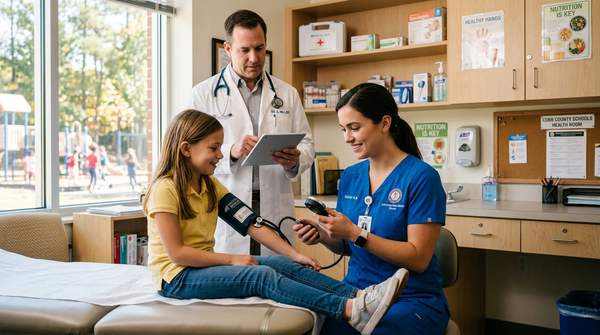
In Washington D.C. GW student-athletes are stepping off the field to directly lead health initiatives in underserved neighborhoods, redefining how community wellness is built. These young leaders, typically celebrated for their athletic prowess, are instead found organizing health screenings, nutrition workshops, and fitness programs, actively shaping health outcomes for their neighbors, according to an Atlantic 10 report. Their direct involvement fosters a unique connection, creating tangible health improvements from within the community.
Public health challenges are often seen as requiring large-scale institutional solutions, but effective, targeted interventions are increasingly driven by small, local, and often volunteer-led groups. This tension marks a critical shift: from top-down mandates to bottom-up empowerment.
Based on this growing evidence of localized impact, community-driven health models are likely to become an essential component of a resilient public health infrastructure. This approach offers a powerful alternative to traditional methods, emphasizing trust and tailored engagement.
Their involvement cuts through traditional barriers, demonstrating how local, non-traditional community members address health gaps with immediate, tangible impact. Imagine a basketball player teaching children about healthy eating, or a swimmer leading a community fitness class. These interactions build trust, transforming health advice into a conversation among friends. This direct, hands-on approach cultivates genuine connection, a bond larger institutions often struggle to replicate within local communities.
Beyond the Clinic: How Local Efforts Redefine Health
Grassroots health initiatives stand apart due to their inherent agility and deep community embeddedness. Unlike broad public health campaigns, these local efforts bypass extensive bureaucratic processes and one-size-fits-all strategies. They pivot quickly, adapting programs to immediate, specific neighborhood needs, whether organizing a pop-up vaccination clinic in a park or establishing a peer support group for mental wellness in a local community center.
These initiatives thrive on a profound understanding of local context, mobilizing resources and trust within specific communities. When a trusted community member, like a student-athlete, champions a health cause, the message resonates differently. It transforms outreach into personalized, accessible care, tailored to unique cultural nuances and daily realities. This localized insight ensures interventions are effective, culturally sensitive, and sustainable, fostering long-term health habits over temporary fixes.