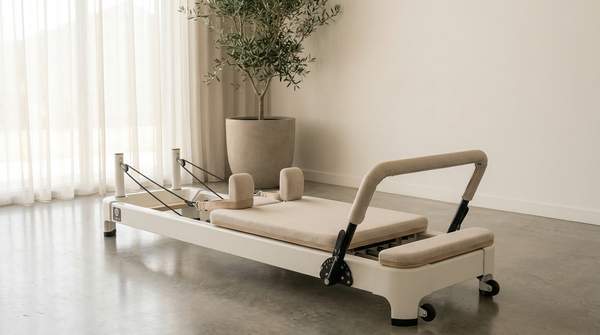
The demand for high-quality home fitness solutions has surged, placing Pilates reformers at the forefront of the market. Amid a crowded field, The Core Collab has established a line of US-manufactured equipment designed to deliver studio-grade performance. For discerning practitioners, from home enthusiasts to professional instructors, the central question remains: is a premium reformer from The Core Collab a worthwhile investment?
This article explores the materials, engineering, and user feedback behind the brand to better understand the value of its equipment.
The Premium Shift in Pilates Equipment
The global Pilates equipment market is experiencing significant growth, driven largely by increasing interest in personalized home fitness. Consumers are no longer simply looking for any machine; they are seeking durable, effective, and aesthetically pleasing equipment that brings the studio experience into their own space.
The Core Collab positions its reformers within this premium segment, catering to users who prioritize long-term quality and performance over entry-level cost savings.
The Fragility and Noise of Standard Home Reformers
For many at-home Pilates practitioners, the initial excitement of purchasing a reformer can fade when faced with the limitations of mass-market models. Durability is a common consideration. Many lower-cost reformers are built with materials that can wobble, squeak, or wear down quickly under consistent use, resulting in a frustrating and less effective workout.
A shaky frame or a jerky, noisy carriage can detract from the precise, controlled movements central to Pilates. This gap in quality is precisely what informed the engineering behind The Core Collab’s equipment, designed to address these common issues with a more considered approach to construction and performance.
Inside The Core Collab's US-Manufactured Pilates Reformers
The Core Collab addresses the shortcomings of standard reformers by focusing on superior materials and domestic manufacturing. All machines are produced in Santa Fe Springs, California, using high-quality oak, aluminum, and steel frames. This stands in contrast to the softwood often found in less expensive alternatives, providing a stable and robust foundation for any workout intensity.