A shoulder that aches when you reach overhead, an elbow that complains after hours of repetitive work, or a heel that hurts with your first steps in the morning can interfere with everyday life. These complaints affect different parts of the body, yet each can make ordinary movement uncomfortable enough to prompt a search for treatment.
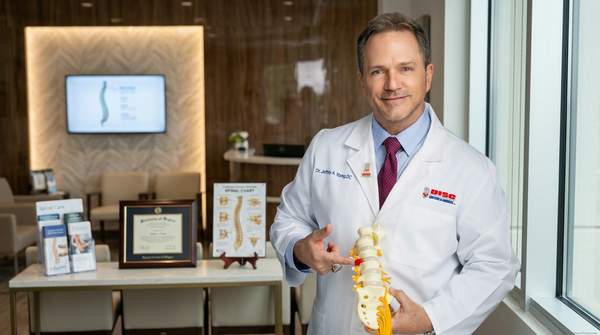
Low-level laser therapy is one of the services available at Disc Centers of America- Spring, where Dr. Jeffrey A. Young, D.C., provides chiropractic and non-surgical care. Although the practice is known for spinal decompression, its laser therapy offering also addresses shoulder pain, tendonitis, arthritis-related joint discomfort, plantar fasciitis, and other musculoskeletal complaints.
Laser Therapy Has Applications Beyond the Spine
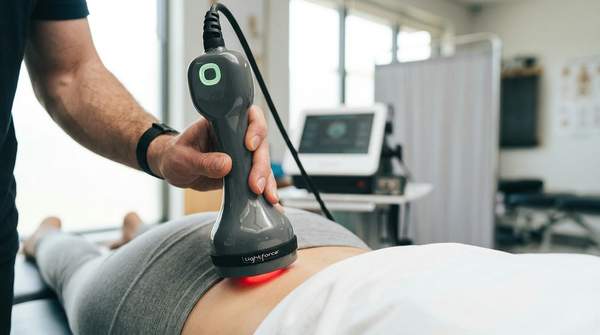
Low-level laser therapy, often abbreviated as LLLT and sometimes called cold laser therapy, uses therapeutic light directed at a treatment area. The approach has been studied for its effects on biological tissues and its potential role in managing certain painful musculoskeletal conditions.
At Disc Centers of America- Spring, the service covers several types of muscle, joint, and soft-tissue complaints. The practice includes bursitis, muscle spasms, shoulder and rotator cuff problems, tendonitis, sprains, strains, and plantar fasciitis among its treatment areas.
This broadens the situations in which someone might contact the Spring office. A person with persistent elbow or heel pain can inquire about laser therapy even when spinal decompression is unrelated to the problem they want addressed.
What Makes Low-Level Laser Therapy Different?
The equipment used for low-level laser therapy differs from the surgical lasers associated with cutting or removing tissue. LLLT uses light at selected wavelengths, with its interaction with biological tissues influenced by factors such as wavelength, energy delivered, and the characteristics of the treatment area.
Different wavelengths are absorbed and distributed through tissue differently. This relationship between light and tissue is part of the technical foundation of laser therapy, although an individual’s response depends on the condition and treatment parameters.
For someone researching cold laser therapy in Spring, the appeal is a non-surgical treatment modality with applications beyond spinal complaints. Disc Centers of America- Spring offers it within a broader practice that also addresses musculoskeletal injuries, chiropractic concerns, and disc-related conditions.
Shoulder Pain Can Make Small Movements Surprisingly Difficult
Shoulder discomfort rarely stays confined to one obvious activity. Reaching for something on a high shelf, fastening a seat belt, carrying groceries, or putting on a jacket can become uncomfortable when the shoulder or surrounding tissues are irritated.
Disc Centers of America- Spring includes shoulder and rotator cuff complaints, bursitis, and muscle pain among its laser therapy applications. These conditions can involve different tissues, so the location, movement pattern, and history of discomfort help shape the treatment discussion.
Someone who experiences pain while raising an arm presents a different situation from someone whose shoulder aches during sleep. Dr. Young can assess those symptoms and discuss whether laser therapy belongs among the available care options.
For many people, the immediate goal is connected to the movements they miss doing comfortably. Reaching, lifting, dressing, and sleeping are ordinary activities until shoulder pain begins interrupting them.
Repetitive Strain Creates Another Reason to Consider Laser Therapy
Some musculoskeletal complaints develop through repeated movements rather than a single memorable injury. Frequent gripping, lifting, twisting, or reaching can place sustained demands on muscles and tendons, especially when an activity occupies much of the working day.
Tendonitis and tennis elbow are among the conditions included in the Spring office’s laser therapy service. Someone experiencing forearm or elbow discomfort may notice symptoms while using tools, carrying objects, working at a computer, or returning to exercise.
The location and timing of the pain provide information about the complaint. Discomfort that appears during gripping may involve different structures from pain associated with raising the arm or rotating the wrist.
Disc Centers of America- Spring provides laser therapy alongside chiropractic care and injury rehabilitation. That combination allows someone with a movement-related complaint to discuss the affected area and the available services within the same local practice.
Joint and Heel Pain Bring Different Challenges
Arthritis-related joint discomfort can affect movement throughout the day. Knee pain may make stairs unpleasant, while discomfort in the hands or other joints can turn familiar activities into tasks that require additional effort.
Joint pain and knee discomfort are among the conditions included in the clinic’s laser therapy offering. The consultation can address the affected joint, the symptoms, and the history of the problem before determining whether this modality is suitable.
The practice also lists plantar fasciitis and heel spurs among its laser therapy applications. Heel pain can become especially noticeable after rest or during prolonged standing, creating difficulties for people whose routines involve walking, commuting, exercise, or long hours on their feet.
Low-level laser therapy has been studied as part of rehabilitation for plantar fasciitis, including its potential role in short-term pain management. At Disc Centers of America- Spring, someone dealing with persistent heel discomfort can discuss whether the service fits their condition and what other care considerations may apply.
Injuries and Muscle Complaints Add to the Service’s Range
Laser therapy at the Spring office also encompasses muscle spasms, sprains, strains, and whiplash-related complaints. These conditions may arise after physical activity, repetitive exertion, or an injury that leaves certain movements uncomfortable.
A strained muscle after lifting something heavy creates a different treatment question from a shoulder problem that has developed gradually. The circumstances surrounding the discomfort can influence what Dr. Young needs to assess before discussing laser therapy.
The practice’s established chiropractic and rehabilitation services provide additional context for these complaints. Laser therapy is one available modality within that broader service range, allowing the treatment conversation to reflect the particular injury or painful area.
An Established Local Practice With More Than One Treatment Focus
Dr. Young graduated from Parker University in 1991 and has served Spring, Texas, and surrounding communities for more than 35 years. His practice combines chiropractic care, physical therapy services, injury rehabilitation, and non-surgical approaches to spinal conditions.
Spinal decompression remains a central offering at Disc Centers of America- Spring. Low-level laser therapy extends the office’s service range to muscle, joint, and soft-tissue complaints that may call for a different treatment discussion.
Someone experiencing shoulder discomfort after repetitive activity may have different needs from a person with persistent disc-related back pain. The initial consultation can focus on the symptoms and their effects on movement before a suitable treatment approach is discussed.
Discuss the Movements That Have Become Difficult
Pain is often easier to describe through the activity that brings it on. Shoulder discomfort during overhead reaching, elbow pain while gripping, or heel pain after standing all provide more information than naming the affected body part alone.
Duration and previous care also help shape the discussion. A recent strain, recurring tendon discomfort, and longstanding joint pain can involve different considerations even when someone is interested in the same treatment.
Disc Centers of America- Spring offers a free consultation with Dr. Young. It provides an opportunity to discuss the complaint, the movements associated with discomfort, and whether low-level laser therapy fits the situation.
Frequently Asked Questions
Is Cold Laser Therapy the Same as Low-Level Laser Therapy?
The terms are commonly used interchangeably to describe therapeutic light applications that do not cut or remove tissue. Low-level laser therapy is the terminology used for the service available at Disc Centers of America- Spring.
Treatment involves directing light at a selected area using appropriate parameters. Dr. Young can discuss whether the approach fits the symptoms presented during a consultation.
Does Disc Centers of America- Spring Offer Laser Therapy for Shoulder Pain?
Yes. Shoulder and rotator cuff complaints, bursitis, and muscle pain are among the conditions included in the practice’s laser therapy offering.
The appropriate care depends on the nature of the complaint and the assessment findings. Shoulder pain can involve different tissues, making the individual presentation important.
Can Low-Level Laser Therapy Be Considered for Plantar Fasciitis?
Plantar fasciitis and heel spurs are included among the conditions addressed by the Spring office’s laser therapy service. Someone experiencing persistent heel discomfort can inquire about the treatment.
The consultation can address when the pain occurs, how it affects walking or standing, and whether laser therapy is an appropriate part of care.
Is Laser Therapy Available for Tendonitis and Joint Discomfort?
Yes. Disc Centers of America- Spring lists tendonitis, tennis elbow, arthritis-related joint discomfort, and knee pain among its laser therapy applications.
These complaints can involve different structures and treatment considerations. Dr. Young can evaluate the symptoms before discussing whether low-level laser therapy belongs in the recommended approach.
Ask About Laser Therapy for the Pain Affecting Your Day
Persistent shoulder, elbow, joint, or heel discomfort can make familiar activities harder, and Disc Centers of America- Spring offers low-level laser therapy as part of its broader non-surgical care. With Dr. Young’s experience in chiropractic care and injury rehabilitation, the Spring office provides a local place to discuss these complaints and the treatments that may fit. Contact Disc Centers of America- Spring to schedule a free consultation and ask whether low-level laser therapy is appropriate for your symptoms.