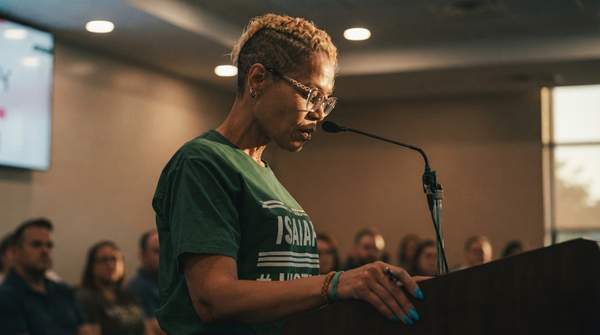
Speaking at a city council meeting is one of the most direct ways a resident can influence local decisions, and the process is more navigable than it first appears. The core pattern is consistent across U.S. municipalities: find the agenda, learn the public comment rules, show up prepared, and follow up afterward. What varies is the detail. Portland, Oregon publishes council agendas and accepts written testimony on agenda items; Wichita, Kansas allows public comment on most new business items when they come up on the agenda; and some cities, like Monroe, Washington, restrict comment to in-person attendees only. This guide walks through the common procedures, using real municipal examples, so you know what to check before you go.
Before the Meeting: Preparation is Key
Preparation starts with the agenda. Cities publish council and committee agendas in advance, and reading them tells you when your issue will be discussed and whether you can speak to it. Portland's council clerk directs residents to the current agenda on the city's website, where written testimony for agenda items can also be submitted. Wichita's instructions are similarly specific: the council meets the first three Tuesdays at 9:00 a.m. in the City Council Chambers, with a fourth-Tuesday consent and workshop meeting in the Boardroom, and all meetings are open to the public.
Next, learn your city's rules for participation. Some cities require you to sign up in advance or specify which agenda item you intend to address; others accept speakers who simply show up. Check whether comment is limited to items on the agenda. Seattle's council rules of procedure, for example, require that comments be relevant to items on the meeting agenda or the council's work program. If your concern is not on an agenda, some cities offer a route to get it there: Wichita provides a public agenda request form residents can use to bring matters before the council.
Finally, prepare the substance. A concise statement of the problem, its effect on your neighborhood, and the specific outcome you are asking for will serve you better than a long, unfocused speech. If you plan to submit written testimony, as Portland allows, drafting it beforehand also sharpens your spoken remarks. Confirm the meeting's date, time, and location—and whether remote participation is offered, since not every city permits it.
During the Meeting: Making Your Voice Heard
Public comment periods are governed by rules of procedure and decorum, and knowing them protects your message. The most common constraints are time limits, staying on the agenda topic, and addressing remarks to the council rather than at individuals. Seattle's Rule XI(C) is a representative example: comments must be relevant to items on the meeting agenda or council work program. Tacoma's council rules similarly tie comment to agenda items.
Remote and hybrid meetings have added new layers. A compilation of Washington local government policies assembled by MRSC, a nonprofit serving municipal governments, shows cities handling remote comment differently: Bellingham and Marysville publish guidelines and forms for remote public comment, while Monroe's 2024 rules of procedure limit public comment to in-person attendees. The same compilation notes that remote and hybrid meetings are open to disruption, which is why cities have developed procedures to manage comment from remote attendees—so expect to follow a sign-up or call-in process if you participate virtually.
When your turn comes, state your name and neighborhood, keep to your prepared points, and finish within the allotted time. If your issue is scheduled as a specific agenda item, as in Wichita, wait for that item rather than raising it during a general comment period. Councils respond best to specific, relevant, respectful input—and the record you create can matter later, since your remarks typically become part of the meeting record.