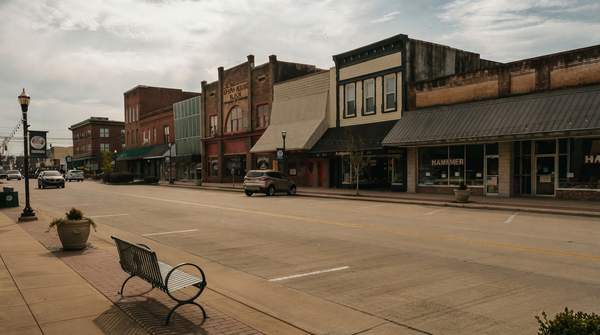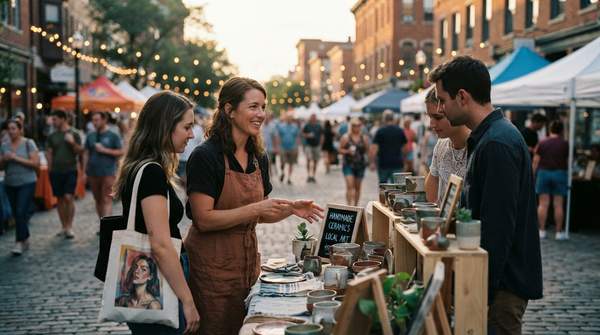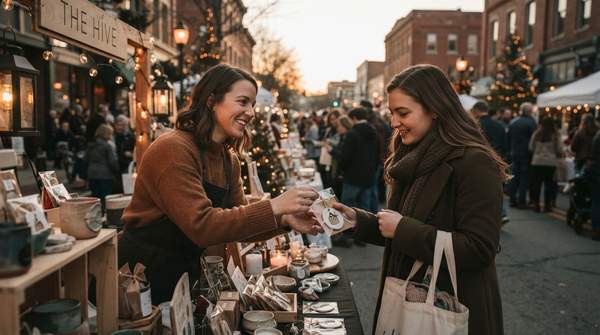
A downtown holiday event can pay off far beyond a single busy weekend—but only if you treat it as a three-phase campaign rather than a one-day sales push. The businesses that get the most from these events coordinate with organizers and promote early, engage visitors on-site with pop-ups and event-specific offers, and then follow up with the customer data they collected while the memory is still fresh. This guide lays out that phased plan for owners with a storefront on or near a Main Street participating in an organized downtown event. These are general best practices, not guarantees of specific results, and nothing here is legal or financial advice about sponsorships or partnerships.
Strategic Planning: Before the Holiday Event
Preparation starts with coordination. Reach out to the event organizers early so you know the schedule, the promotional channels they control, and where your business fits in. Fayetteville Main Street, a local Main Street organization, recommends leveraging Main Street and community calendars to promote your events, and featuring seasonal anchors like Small Business Saturday, late-night shopping, and holiday markets in your own messaging.
Build your promotional push across multiple channels at once. An event planning checklist from Georgia Tech's Special Events office suggests distributing flyers and emails advertising the event, releasing press announcements, and watching for media coverage related to it. In the final one to two weeks, confirm event details, follow up with your invitation or RSVP list with personalized calls and emails, and send updated details to anyone presenting or partnering with you. Repurposing the same content across social media, email, and your website saves time while keeping your business visible, according to Fayetteville Main Street's guidance.
Amplify Reach Through Local Partnerships
The holidays reward businesses that market together. Fayetteville Main Street highlights co-hosting giveaways, offering bundled gifts and bounce-back coupons, and cross-promoting with other local businesses as core holiday strategies. A bundled gift lets two shops share a customer; a bounce-back coupon gives event visitors a reason to return to your street after the event itself.
Partnerships can also take a more formal shape. The Wisconsin Economic Development Corporation, in a guide by Alexa Hackfort, describes sponsorship and partnership with downtown events as a way for small businesses to gain exposure and show support for the local community, building brand awareness among potential customers in attendance. The guide points to Green Bay's Broadway District, where many small businesses jointly sponsor High Five, an exclusive rooftop dining experience. Sponsoring an event feature, participating as a vendor, or collaborating with local artists are all ways to attach your name to the event beyond your storefront.