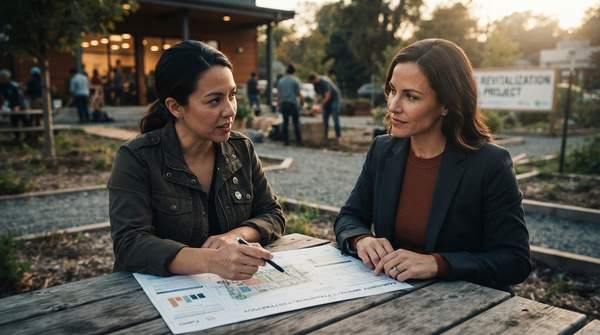
Successful partnerships between local businesses and nonprofit organizations are built on more than good intentions. They require a strategic foundation of shared purpose, mutual accountability, and a clear-eyed approach to managing the inherent differences between the two sectors. By moving beyond simple transactions to create genuine collaborations, leaders can unlock significant benefits for their organizations and the communities they serve. For businesses, this means opportunities for enhanced marketing and growth, while nonprofits can gain access to vital resources and broader community engagement.
The Power of Mutual Benefit
Modern partnerships transcend traditional corporate philanthropy, focusing instead on creating shared value. For a small business, aligning with a local nonprofit can be a powerful driver of growth and a way to deepen community ties, according to guidance from the U.S. Chamber of Commerce. These collaborations can boost marketing efforts and connect a business with a new audience that is passionate about the nonprofit's mission. The benefits are equally compelling for the nonprofit partner.
Collaborations offer a pathway to new resources, whether financial or otherwise. An article analyzing partnerships during the COVID-19 crisis notes that a successful campaign can generate a form of "mutual financial aid" between a small enterprise and a local nonprofit. Beyond funding, these relationships can enhance a community's self-reliance and provide the nonprofit with access to business expertise, operational support, and a wider platform to communicate its message. The most effective partnerships are those where both organizations have a vested interest in a successful outcome, creating a powerful engine for both economic and social progress.
Exploring Partnership Models: Finding Your Fit
The structure of a business-nonprofit collaboration can take many forms, each suited to different goals, resources, and levels of commitment. Identifying the right model is a critical early step in building a sustainable relationship. Many partnerships begin with focused, project-based initiatives that allow both organizations to test the waters and build trust.
One common approach is a cause-related marketing (CRM) campaign, where a business and a nonprofit join forces on a promotional effort. An analysis of local economic responses to public health crises highlights how these campaigns can be designed to sustain economic activity for the business while simultaneously supporting the nonprofit's mission. For example, a restaurant might partner with a local food bank on a joint marketing campaign, as suggested by the U.S. Chamber of Commerce, where a portion of sales supports the nonprofit's work.
Another accessible model involves co-hosted community events. This could be a one-time project, such as a retail shop and a local boutique co-hosting a seasonal shopping event, or an ongoing arrangement. These events leverage the marketing channels and customer bases of both partners to create a shared experience that benefits the community and raises visibility for everyone involved.
For a deeper, more integrated collaboration, partners can pursue strategic resource sharing. Academic research into resilient partnerships points to the importance of mobilizing non-financial commitments. This could involve a business offering pro-bono expertise in areas like marketing, finance, or strategic planning, or providing access to its professional networks. In return, the nonprofit offers its deep community knowledge, credibility, and volunteer base, creating a powerful synergy that goes far beyond a simple financial transaction.
Navigating Organizational Differences: A Core Challenge
A fundamental challenge in any business-nonprofit collaboration stems from the distinct environments of for-profit and nonprofit entities. Academic case studies on the topic emphasize that these partnerships often involve "radically different working environments," a reality that cannot be ignored or erased. According to this research, the first step toward leveraging these differences is to acknowledge and explore them openly. The goal is not to force a nonprofit to operate like a business, or vice-versa, but to manage the shared work while respecting inherent structural, cultural, and values-based distinctions.
Successfully navigating these differences requires specific managerial actions. One of the most effective strategies identified in the research is to recruit and develop people who have experience in both the business and nonprofit domains. These individuals act as crucial bridges, capable of translating between the two cultures and helping to leverage the unique strengths of each organization. They understand the different languages of impact, from profit margins to program outcomes, and can foster the mutual understanding necessary for a resilient partnership.
Another key action is to create dedicated structures for mutual dialogue that operate "up and down, within and between organizations." This means establishing consistent and transparent communication channels that go beyond occasional check-in meetings. These structures help manage expectations, clarify roles, and build the trust needed to navigate the ambiguity that often comes with cross-sector work.
Partnership Success Framework: Stages and Actions
Building an effective partnership is a process that unfolds in stages, each requiring specific principles and actions. This framework, synthesizing academic research and foundation guidance, provides a roadmap for leaders to diagnose their current stage and identify the steps needed to move forward effectively.
| Partnership Stage | Key Principle | Actionable Step |
|---|---|---|
| Initiation | Aligning on Shared Purpose | Commit to creating value together by identifying a common goal and a shared sense of opportunity or urgency for change. |
| Structuring | Defining the Partnership Model | Choose a specific structure, such as a co-hosted event, cause-marketing campaign, or resource-sharing agreement, that aligns with mutual objectives and capabilities. |
| Operation | Managing Differences & Fostering Trust | Acknowledge different work environments, establish transparent and consistent communication, and operate as extensions of each other’s teams. |
| Sustainability | Ensuring Mutual Accountability & Long-Term Vision | Define clear roles, measure impact to demonstrate value, and be willing to support the partnership with an open-ended trajectory. |
Key Actions for Sustainable Partnerships
While the framework provides a high-level guide, long-term success depends on specific, ongoing actions that build and maintain a healthy collaborative environment. Guidance from the Dave Thomas Foundation for Adoption emphasizes that the strongest relationships are built on a foundation of trust, transparency, and consistent communication. In practice, this means partners should strive to operate as extensions of each other’s teams. This mindset shifts the relationship from feeling transactional to being a genuine collaboration focused on a shared goal.
To achieve this, the foundation stresses the importance of establishing clear roles and mutual accountability from the beginning. This clarity helps partners move forward together and provides the flexibility needed to adapt as circumstances and needs evolve. Accountability is not about blame; it is about a shared commitment to the partnership's success, ensuring both parties are invested in the outcome.
Measurement is another critical component for sustaining momentum. According to the foundation, measuring impact allows partners to understand what is working, refine their approach, and demonstrate the value of their continued investment. Data should be viewed not just as a reporting requirement but as a vital tool for learning and long-term growth. Finally, academic research suggests that the most resilient partnerships require a willingness to accept an open-ended future. While this introduces a degree of uncertainty, it is a key element for building a collaboration that can respond and adapt over the long term, ensuring its continued relevance and impact.
Building Lasting Impact: Your Next Steps
To translate these principles into practice, leaders should focus on the foundational elements that enable a partnership to thrive. To initiate or strengthen a business-nonprofit partnership, prioritize establishing a shared purpose, defining clear roles, and fostering transparent communication from the outset. These initial steps are the bedrock of a relationship that can withstand challenges and create meaningful, lasting value for both organizations and the wider community.
The tangible result of this foundational work should be a mutually agreed-upon partnership charter or memorandum of understanding that clearly outlines shared goals, roles, and communication protocols. This document serves not as a rigid constraint, but as a clear and accountable reference point that keeps both partners aligned as they work together to achieve their common objectives. By investing in this strategic groundwork, leaders can build partnerships that are not only effective but also resilient and transformative.
Sources
- How to Build Strong Community Partnerships for Growth — Uschamber
- Partnering Small Enterprises and Local Nonprofits to Help Sustain Local Economies and… — PMC
- Building resilient partnerships: How businesses and nonprofits create the capacity for responsiveness - PMC
- Effective Partnerships (SSIR)
- 6 Steps to Building an Effective Nonprofit-Corporate Partnership — Dave Thomas Foundation for Adoption