For the savvy shopper, the world of secondhand goods offers a path to both unique style and significant savings. But not all secondhand stores are created equal, and knowing the difference can transform your shopping trip from a frustrating search into a successful find. The choice between a thrift store and a consignment shop often comes down to a simple question: are you on a treasure hunt for a deep bargain, or are you seeking a curated, high-quality item at a reduced price? The answer lies in how these two types of stores get their inventory, a fundamental difference that shapes the selection, pricing, and overall experience you'll find inside.
How They Get Their Goods: Donations vs. Agreements
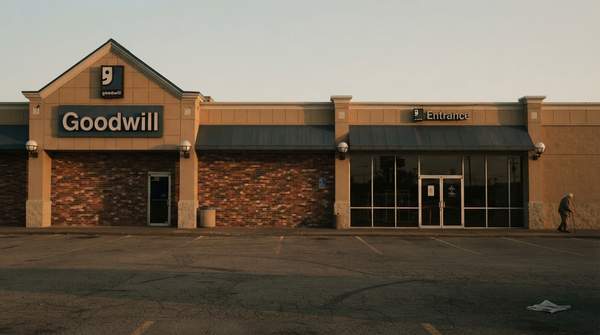
The most significant distinction between a thrift store and a consignment shop is the way they acquire their merchandise. Thrift stores, which can be either for-profit businesses or nonprofit organizations like Goodwill and the Salvation Army, operate on a donation-based model. According to Flipside, their inventory comes from items given freely by individuals or organizations. This constant influx of donated goods is the lifeblood of their business, with a primary goal of providing affordable products to the public while promoting the reuse and recycling of items that might otherwise be discarded.
Consignment shops, on the other hand, function as a partnership between the store and individuals looking to sell their belongings. Instead of accepting donations, these shops, often called "upscale resale" boutiques, select specific pieces from sellers, also known as consignors. The store agrees to display and sell the item on the owner's behalf. This selective process means the store has a direct financial stake in choosing higher-value goods that are fashionable and in excellent condition, as its profit is tied directly to the final sale price of each individual item.
What You'll Find: Broad Selection vs. Curated Collections
Because thrift stores rely entirely on public donations, their inventory is a broad and unpredictable mix. One trip might yield everyday clothing, hardcover books, kitchenware, unique artwork, and wood furniture all under one roof. An article from The Niche Shop notes that the selection is not particularly curated, featuring a wide variety of brands, conditions, and styles. This makes thrifting an adventure where you might sift through racks of ordinary items before discovering a true gem, which could even include vintage clothing that is 20 years or older.
Consignment boutiques offer a more focused and curated shopping experience. These shops specialize in gently used, fashionable items, including designer clothing, handbags, and accessories that are currently in style. Because they only accept items they believe will sell, the inventory is typically in better condition and reflects more current trends. This curated approach means you are more likely to find what one writer calls the "frosting of my outfit"—unique, better-quality pieces that make a statement. This saves you the extensive searching required at a typical thrift store, providing a more boutique-like environment.