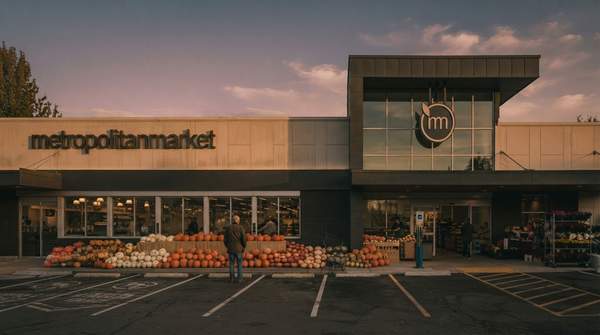
For every $100 spent at a local business, roughly $68 stays within the local economy, according to Pillur, a stark contrast to the less than $14 recirculated by chain stores, according to Pillur. Dollars spent with independent merchants actively build local prosperity, fueling jobs and community services rather than flowing out to corporate headquarters. The choice of where you spend your money has profound, measurable consequences for the health and vibrancy of your local community.
Consumers frequently opt for the perceived convenience and lower prices of national chains. Yet, local businesses offer a far more substantial and measurable return on investment for the community's economic and social well-being. These unique local businesses are defining town character in 2026, shaping our shared spaces.
Communities that actively cultivate and support their local business ecosystem are likely to experience greater economic resilience, a richer cultural identity, and a more sustainable local environment compared to those dominated by large corporate entities. This commitment to local commerce is a direct investment in the very fabric of our neighborhoods, creating a distinct sense of place.
1. The Local Economic Engine: More Than Just Transactions
Local businesses are not merely points of sale; they are critical economic multipliers, creating a ripple effect of prosperity within their communities. For example, 48 percent of each purchase at local independent businesses is recirculated locally, according to Thryv. This is a stark contrast to less than 14 percent of purchases at chain stores. While Pillur reports that for every $100 spent at a local business, roughly $68 stays within the local economy, both sources confirm a significantly higher local recirculation rate compared to national chains. This means local economies retain far more wealth. Two of every three net new jobs are also reported at small businesses, according to Pillur, demonstrating their role in employment growth. Based on Thryv and Pillur's data, communities that fail to actively promote and support their local independent businesses are effectively exporting up to 86 percent of their potential economic growth, leaving local economies stagnant while external corporations profit. Consumer decisions, often driven by perceived price or convenience, are inadvertently creating a measurable deficit in community wealth and job creation, a situation indicated by the significant discrepancy in local recirculation rates (48-68 percent for local vs. less than 14 percent for chains).